

In the rapid transformative development of AI, parents and educators are looking beyond traditional toys to find tools that prepare children for the world ahead. Enter STEM toys—the playthings designed to integrate Science, Technology, Engineering, and Mathematics into everyday fun.
But what exactly is the "purpose" of these toys? It’s more than just learning to code or memorizing the periodic table. STEM toys are about building a foundation for how a child thinks, reacts, and solves problems.
Here is why these educational powerhouses have become a staple in modern playrooms.
1. Shifting from "What" to "How"
Traditional toys often have a single function. STEM toys, however, focus on inquiry-based learning. Instead of asking "What does this toy do?", children begin to ask "How can I make this work?"
How do you get it moving from a stationary state?
Thereby acquiring more concrete knowledge.
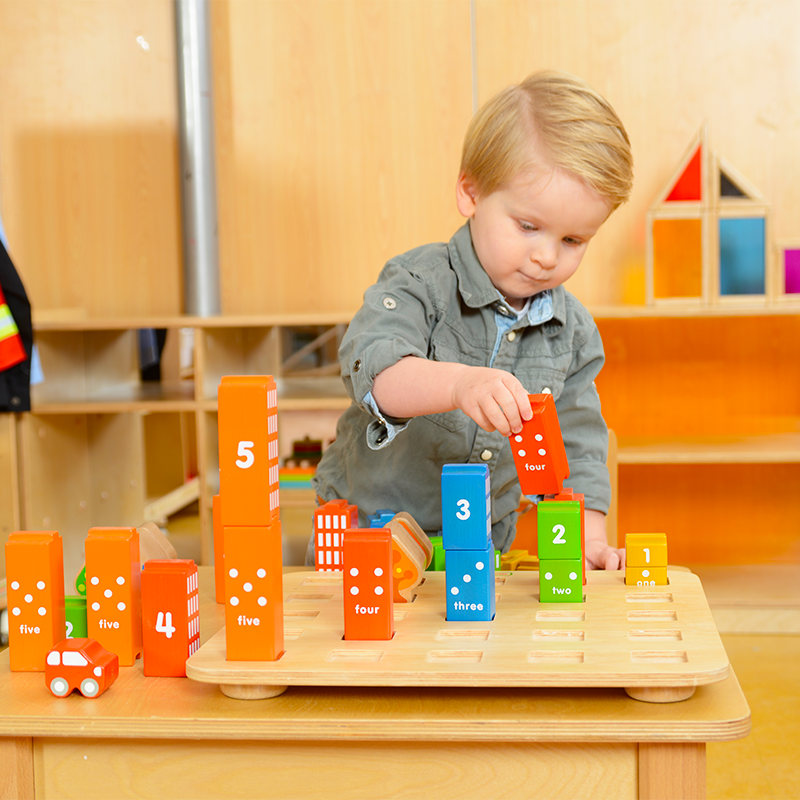
By engaging with modular building sets or simple machines, children learn the mechanics of the world. They aren't just playing; they are conducting mini-experiments in physics, gravity, and structural integrity.
2. Building a "Growth Mindset" through Trial and Error
One of the most vital purposes of STEM play is the development of resilience. In a STEM-based activity—like building a marble run or a wooden bridge—failure is part of the process.
-
The First Attempt: The tower falls.
-
The Analysis: Why did it lean to the left?
-
The Iteration: Adding a wider base for support.
This cycle teaches children that mistakes aren't dead ends; they are data points. This "trial and error" approach builds a growth mindset that serves them well in school and, later, in their careers.
3. Developing Future-Ready Skills
While we often think of STEM as "high-tech," many of the most effective tools are low-tech and tactile. These toys help develop:
-
Spatial Reasoning: Understanding how 3D objects fit together in space.
-
Computational Thinking: Learning to break down a large problem into smaller, manageable steps (the basis of coding).
-
Fine Motor Coordination: Manipulating small gears, screws, and components to achieve a specific result.
 4. Encouraging Real-World Application
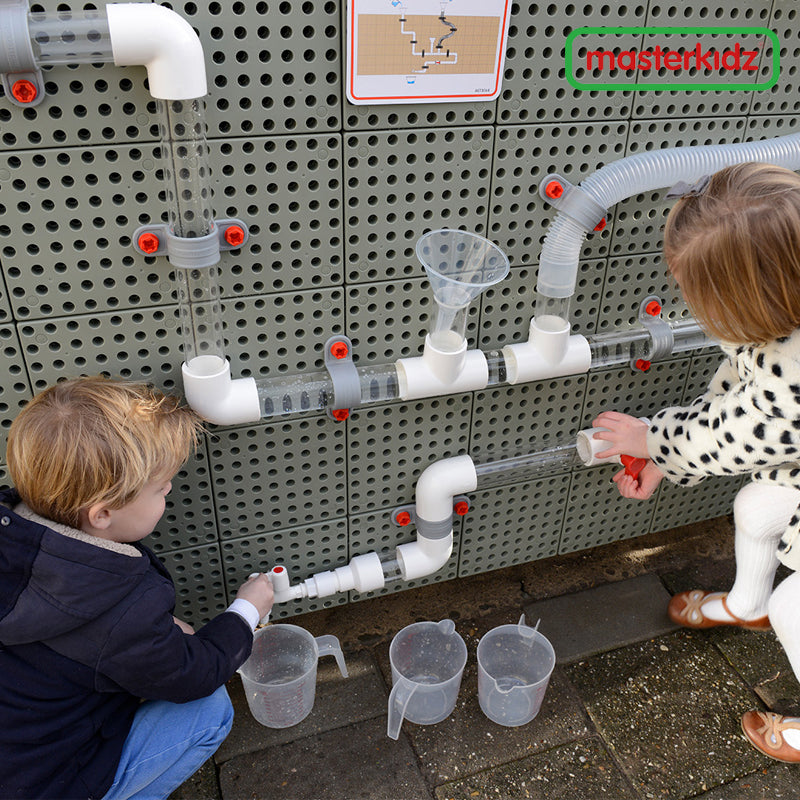
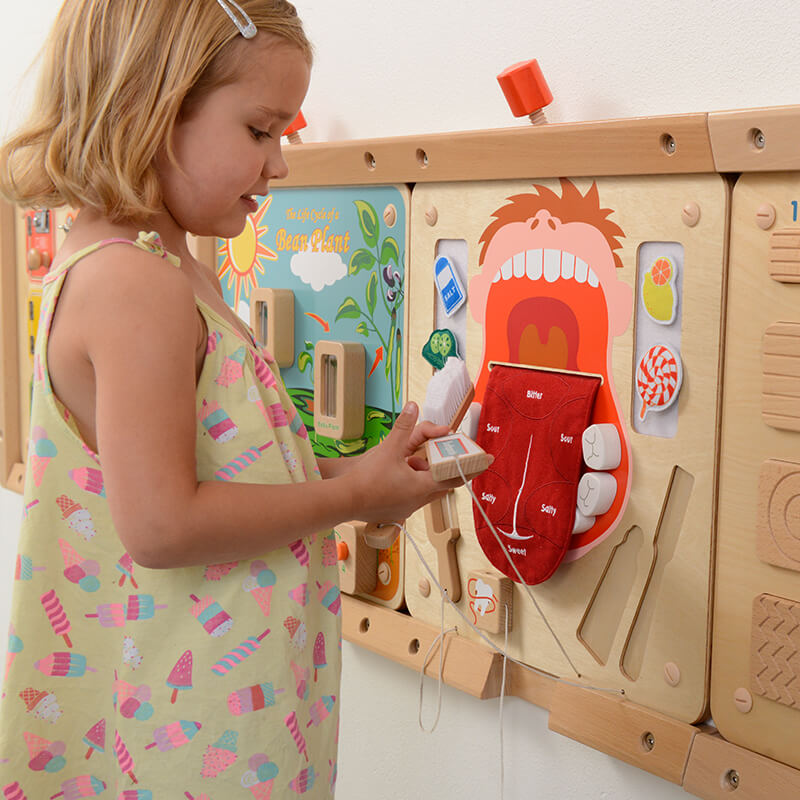
The best STEM toys bridge the gap between abstract concepts and the real world. When a child plays with a magnetic discovery board or a water-flow experiment, they are seeing "science in action." It demystifies complex subjects, making them approachable and—most importantly—exciting.
5. Fostering Collaboration and Communication
Many STEM projects are designed for "co-play." Whether it’s a family game night involving a logic puzzle or a classroom project building a gear-driven machine, these toys encourage children to communicate their ideas, negotiate strategies, and work toward a common goal.